

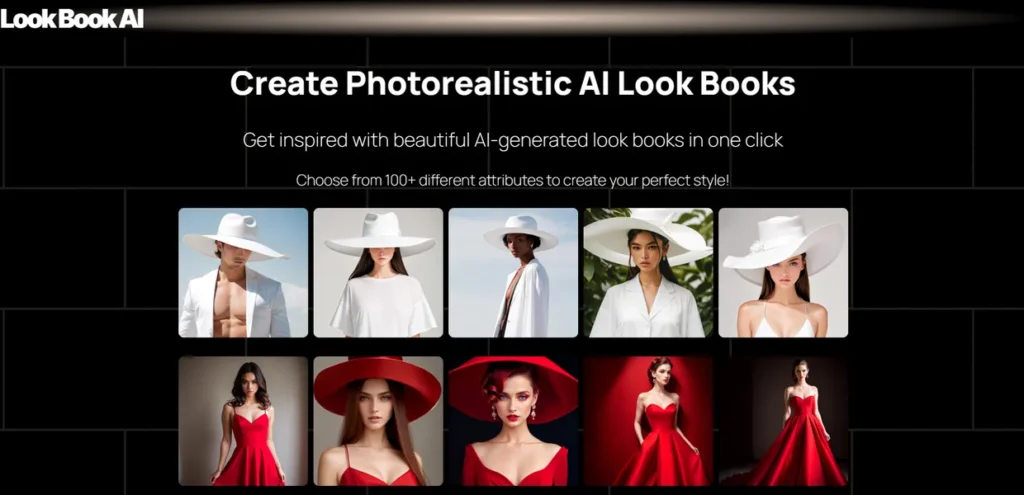
What is LookBook AI?
LookBook AI is a software platform designed to address a critical pain point in online fashion retail: the customer’s inability to visualize how clothing will actually look and fit. It functions as an AI-driven virtual design assistant, integrating with e-commerce sites to offer a virtual try-on experience. Shoppers can create a personalized digital model, or avatar, that reflects their body type and style preferences. They can then mix and match clothing items on this model before making a purchase. The platform also has a stated focus on promoting sustainable fashion, which can serve as a key differentiator for brands targeting environmentally conscious consumers. For a business owner, this tool aims to increase buyer confidence, reduce costly returns, and improve overall customer engagement.
Key Features and How It Works
LookBook AI operates by providing a suite of tools that enhance the standard online shopping process. From a practical standpoint, its functionality is designed to directly impact conversion rates and operational efficiency.
- Virtual Design Assistant: The core of the platform is its AI engine that helps users create complete outfits. Customers can select individual items, and the assistant can suggest complementary pieces. This feature works to increase the average order value by encouraging the purchase of full ensembles rather than single items.
- Personalized Virtual Models: Users are not limited to standard, generic mannequins. They can customize an avatar to better match their own measurements and physical characteristics. The business objective here is to give customers a more accurate preview of an item’s fit, theoretically reducing the return rate associated with sizing issues.
- Sustainable Fashion Curation: The tool actively promotes eco-friendly brands and materials. For a retailer, this can be leveraged as a powerful marketing tool, helping to build a brand identity centered around sustainability and attracting a loyal customer base that values ethical consumption.
- E-commerce Integration: The platform is built to be integrated with existing online stores. This allows for a real-time virtual try-on experience directly on a product page, minimizing friction in the customer journey and keeping users within the purchase funnel.
Pros and Cons
From a business perspective, implementing any new technology requires a careful cost-benefit analysis. LookBook AI presents a compelling case but is not without its potential drawbacks.
Pros
- Potential for Reduced Return Rates: The primary ROI is the potential to significantly lower the number of returns due to poor fit or style mismatch, which directly impacts a business’s bottom line.
- Increased Customer Engagement: An interactive, personalized feature like a virtual try-on can increase the time customers spend on a website, fostering a stronger connection to the brand.
- Competitive Differentiation: For small to medium-sized retailers, offering a sophisticated tech feature like LookBook AI can provide a competitive edge against larger, less agile competitors.
- Valuable Data Insights: The platform can yield data on which clothing combinations are most popular, providing valuable insights for inventory management, merchandising, and marketing campaigns.
Cons
- Dependence on Internet Performance: A slow or unstable internet connection can lead to a frustrating user experience, which may reflect negatively on the host brand, not the tool itself.
- Potential Learning Curve: While designed to be intuitive, some customers may find the technology unfamiliar. This could create a barrier for less tech-savvy users and may require clear instructional support.
- Accuracy Limitations: The effectiveness of the tool hinges on the accuracy of its virtual fit representation. If the digital preview does not closely match the real-world product, it could fail to reduce returns or even increase customer dissatisfaction.
- Integration Complexity: Integrating any third-party software into an e-commerce platform can require technical resources and time, representing an upfront investment beyond any subscription cost.
Who Should Consider LookBook AI?
LookBook AI is not a one-size-fits-all solution. Its value is most apparent for specific types of businesses.
- Online Fashion Boutiques: Smaller retailers focusing on curated collections can use this tool to offer a premium, high-touch shopping experience that rivals larger companies.
- Sustainable and Ethical Brands: Any brand whose core mission is sustainability will find this tool to be a natural extension of its marketing and sales strategy.
- Direct-to-Consumer (DTC) Apparel Brands: Companies that control their entire customer experience can seamlessly integrate LookBook AI to enhance their online storefront and gather direct user feedback.
- Personal Stylists: Professionals can use the platform to create and share sustainable lookbooks with clients, streamlining the remote styling process and providing a tangible, visual guide.
Pricing and Plans
During our review, detailed pricing information for LookBook AI was not publicly available. The platform appears to offer different tiers of service, likely including a free or basic version and a premium subscription with advanced features for businesses. For the most accurate and up-to-date pricing, please visit the official LookBook AI website.
What makes LookBook AI great?
Struggling with high return rates because customers can’t accurately judge fit and style online? LookBook AI’s greatest strength is its direct attempt to solve this fundamental problem of e-commerce. It closes the imagination gap that exists between a static product photo and a customer’s purchase decision. By providing a personalized and interactive visualization tool, it transforms a passive browsing experience into an active design session. Furthermore, its commitment to sustainability isn’t just a filter; it’s a core component of its identity. This provides a dual benefit: it appeals directly to a growing market of conscious consumers while giving businesses a powerful story to tell, moving beyond simple transactions to build a brand with a purpose.
Frequently Asked Questions
- How does LookBook AI integrate with an existing e-commerce platform like Shopify?
- LookBook AI is designed to integrate with e-commerce platforms, likely through an app or plugin. This would allow it to function directly on your product pages, offering a ‘virtual try-on’ button for customers. Specific technical requirements would be available from their support team.
- How accurate is the virtual representation of clothing fit?
- The platform uses AI algorithms to simulate how fabric drapes and fits on different body shapes. While it aims for high accuracy, its effectiveness depends on the quality of data provided for both the clothing and the user’s virtual model. It should be considered a close guide rather than a perfect replica.
- Can the tool be used for marketing on social media?
- Yes, the platform includes features for sharing the created virtual outfits. This allows your customers to become brand ambassadors by posting their creations on social media, which can generate organic traffic and user-generated content for your business.
- What kind of analytics does LookBook AI provide to businesses?
- While specific metrics may vary by plan, businesses can typically expect to receive data on user engagement, popular items, frequently paired products, and other interaction insights. This information is valuable for optimizing marketing strategies and inventory decisions.